Buyer guides
How to choose mascot costume materials
Foam, fur, linings and cooling explained — so your mascot looks great and stays comfortable.
Updated · 5 min read · YourCustomMascot
Foam: the skeleton of the head
Most professional mascot heads are carved from high-density sponge foam because it is light, springy and holds detail. Harder materials such as fiberglass are heavier and better suited to statues than to costumes worn for hours.
Fur and fabrics
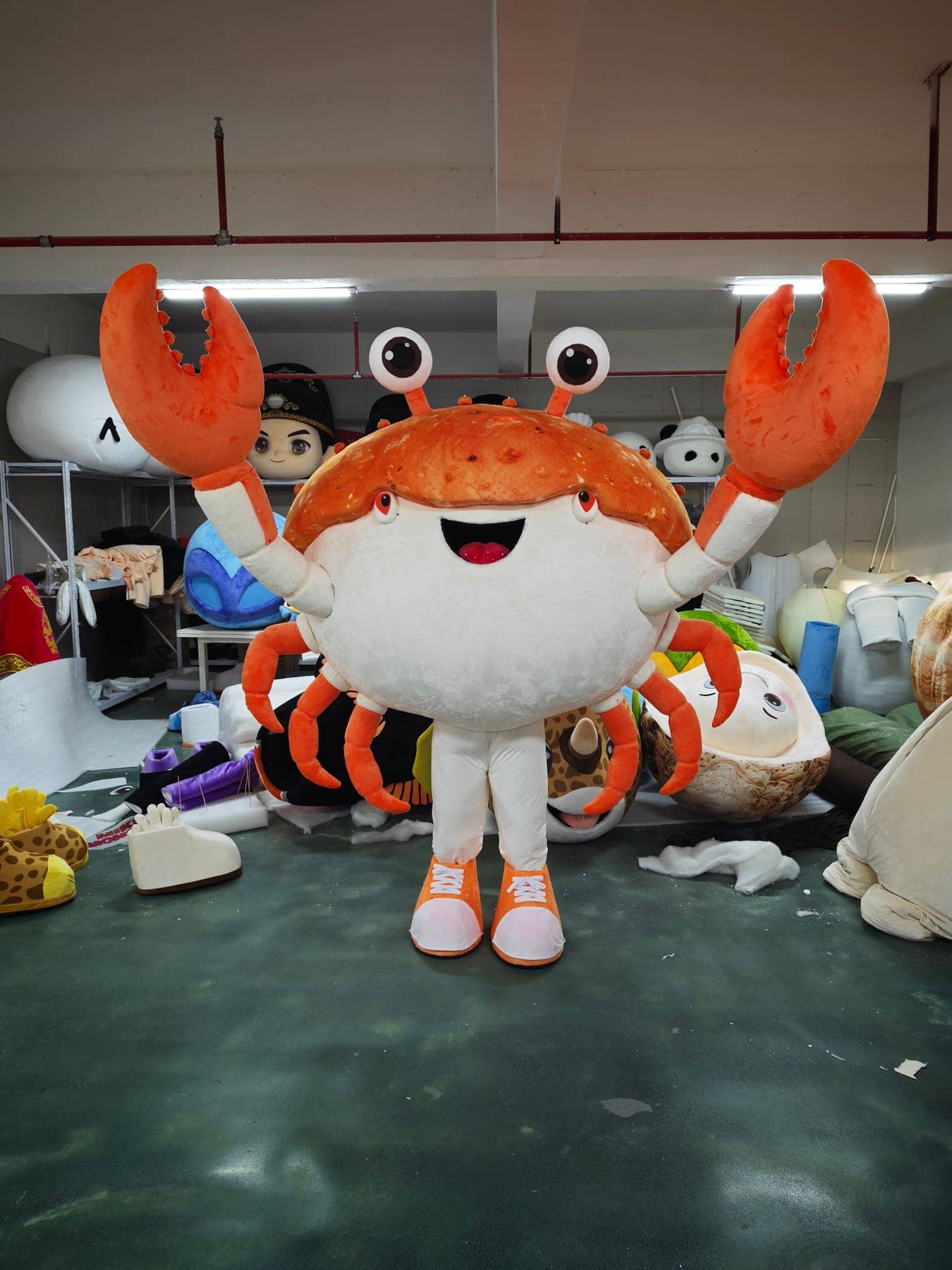
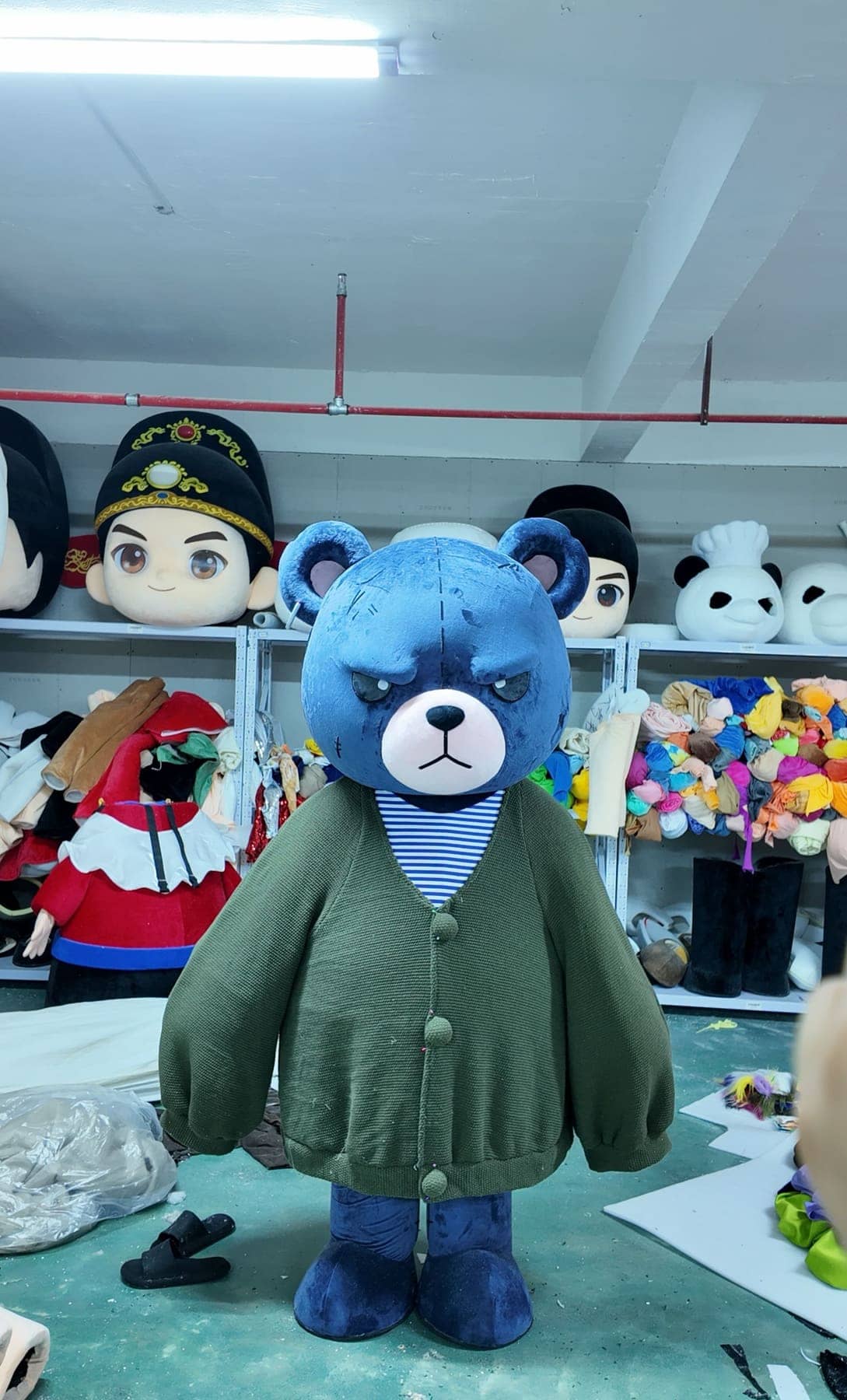
Short plush (velboa) gives clean, cartoon-like surfaces and is easy to clean. Mid-pile fur suits most animals. Long shaggy fur creates dramatic characters like yetis and lions but adds weight. For clothing, we use the same fabrics as real garments: cotton, polyester twill, knit, satin and denim.
Linings and ventilation
Mesh and cotton linings wick sweat away from the performer, and removable inner parts can be washed. Ventilation openings are hidden in places like the mouth, ears or hat.
Cooling fans and vests
Battery fans in the head pull fresh air past the performer's face. For outdoor summer events, a cooling vest worn under the suit makes a dramatic difference to performance time.
Vision and safety
Performers usually see through one-way mesh in the mouth or eyes. The vision area should be planned at design stage, because it affects the face. Non-slip soles and secure helmet straps are essential for safety.
Our recommendation
Tell us where and how long the mascot will perform — indoors, outdoors, in summer heat, with children around. We will recommend the right mix of materials rather than the most expensive one.